

How to identify false teachers.
Considering how many preachers come in the name of the Lord, it can be very difficult to identify those who are wolves dressed in sheep’s clothing. Most false teachers do not come looking obviously false. In fact, many come saying all the right things. Some are easy to spot—but most are not. They are subtle. Hidden. More often than not, the Christians sitting under false teachers are sincere believers who genuinely love God. They are zealous for Christ—but zealous without knowledge. And that lack of sound knowledge of God’s Word is what makes them vulnerable. It is the truth of Scripture that ultimately helps us discern error. Without it, we may mistake passion for truth, charisma for calling, and popularity for faithfulness.
In this post, I want to attempt to describe some of the types of false teachers I have observed in our church communities and explain why I believe their theology—or their approach to ministry—is unbiblical.
But before that, it’s important to clarify something: not everyone who teaches error does so with obvious malice. Some are sincere but misguided. Others are ambitious, careless with Scripture, or more committed to building a following than to faithfully handling God’s Word. That is why discernment is not about attacking personalities—it is about examining doctrine, fruit, and faithfulness to Scripture.
That said, let’s begin.
1. Prosperity Preacher
This is the preacher who teaches that as part of what Christ accomplished for us at the cross, believers are guaranteed material prosperity and perfect health here on earth. According to this teaching, poverty is a curse, and any believer who is poor is not living in God’s perfect will. They will tell you that sickness in your body is evidence of a lack of faith, and that you must rise up to fight the enemy, who is portrayed as the obvious cause of your suffering. Slowly, but very clearly, the message becomes this: being poor or sick is not God’s will for you. And if you are experiencing either, then something must be wrong with you. What this does to a believer is dangerous. It places you in a constant state of fear and pressure, driving you to “do something” to escape your situation. You begin to assume you are under satanic oppression—which, in some cases, may be true—but instead of being anchored in truth, you are pushed into panic-driven spiritual warfare.
Then come the instructions.
To rise out of poverty, you are told to:
- sow a seed,
- tithe more,
- give a sacrificial offering.
And in desperation, you comply. You want out of your suffering. But when the sickness persists, when the finances worsen, you are told the problem is still your faith. You are asked to increase it. You begin to question yourself: Did I really believe? Did I doubt somewhere along the way?

So you give more. You pray more. You fast more. You declare healing louder. You sow a larger seed. And the cycle continues. When sickness ends in death, a crisis of faith sets in. When debt deepens, you begin to wonder whether God truly cares. Does He even love you? Why would He allow all this—when you did everything you were told?
What Scripture says: The Bible teaches that suffering, lack, and sickness are not always a sign of weak faith or personal failure. Paul wrote, “I have learned in whatever situation I am to be content… in plenty and in hunger, abundance and need” (Philippians 4:11–12). When Jesus’ disciples asked about the man born blind, He said, “Neither this man nor his parents sinned” (John 9:3), showing that suffering is not always tied to sin or faith. And Paul reminds us that godliness is not a means of financial gain (1 Timothy 6:5, 9). True faith rests in God’s love and sovereignty, not in formulas or human effort.
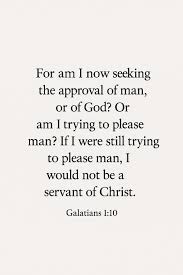
2. The Seeker-Sensitive Preacher
This is the kind of preacher whose approach to the gospel of Jesus Christ is built around being extremely careful not to offend unbelievers. His primary concern is sensitivity. He avoids anything that might make people uncomfortable.
As a result, he rarely teaches about sin, repentance, or God’s coming wrath against sinners—not because these themes are unbiblical, but because he fears they might drive people away. Instead, the sermons tend to focus on “feel-good” messages—how God is love, how everyone is accepted, how you are valued and affirmed. More often than not, the message begins to sound less like the gospel and more like a motivational talk. It encourages, uplifts, and inspires—but it does not confront, convict, or transform. And without the full counsel of God’s Word, what is offered is not salvation, but comfort without repentance.
What Scripture says: The Bible shows us that truth often does offend—and rightly so. John the Baptist confronted sin boldly, calling people to “bear fruits in keeping with repentance” (Matthew 3:8). Jesus Himself warned that His message would challenge hearts, saying, “I did not come to bring peace, but a sword” (Matthew 10:34). And Paul taught that faithful preaching must both encourage and convict (Titus 1:9). The gospel is not meant only to comfort; it is meant to transform.
3. Cherry-Picking Preacher
This is the kind of preacher whose method of teaching God’s Word is to choose a topic first and then select a few verses that seem to support it—often ignoring the original context entirely. This practice is known among theologians as eisegesis—interpreting Scripture by reading one’s own ideas, assumptions, or biases into it, rather than drawing out the author’s intended meaning.
A common example is the story of David and Goliath. Many preachers use this story to inspire believers to “overcome the Goliaths” in their lives, encouraging them to assume the role of David. But the context of Scripture is very different, and the application they teach is far from the truth. A more faithful interpretation is that David—then a young boy—trusted not in his own strength, but in God, believing that the Lord would fight the battle for him. In this sense, David serves as a type of Christ, who fights our battles on our behalf. You and I, like the fearful Israelites, are called to trust God even when the giants around us seem overwhelming.
Often, preachers who cherry-pick Scripture either act out of ignorance, lacking proper training in biblical interpretation, or they do so carelessly for selfish ambitions—seeking to gather a fan base, gain fame, or build popularity. The danger is that such preaching spreads falsehoods, giving believers unrealistic hopes and a distorted understanding of faith.
What Scripture says: God’s Word must be interpreted carefully, considering context, audience, and authorial intent. As Paul instructed Timothy, “Do your best to present yourself to God as one approved, a worker who has no need to be ashamed, rightly handling the word of truth” (2 Timothy 2:15). Faith is built on the whole counsel of Scripture, not on selective verses taken out of context. True teaching points believers to the truth that transforms lives, not just to messages that feel good or inspire temporarily.
4. Authoritative Preacher
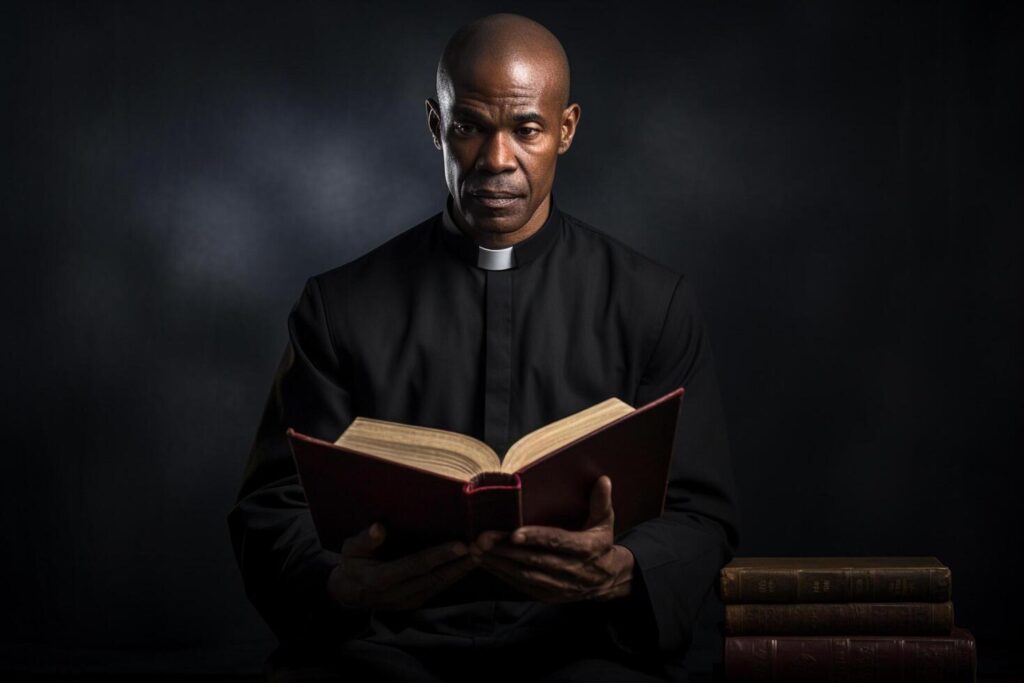
This is the preacher who leads his flock through fear and manipulative tactics to maintain loyalty. He will often claim that he is their ultimate spiritual authority or covering, warning that anyone who leaves the ministry will face curses or misfortune. Accountability is rare in these ministries because fear is the primary tool of control. The preacher’s instructions are often presented as the voice of God, even when they are not.
Many prophetic or highly centralized ministries operate this way, sometimes resembling cult-like structures. Disagreement is treated as rebellion or dishonor, and criticism is silenced. Scriptures are frequently misused to justify this control—for example, Hebrews 13:17: “Obey your leaders and submit to them, for they are keeping watch over your souls, as those who will have to give an account. Let them do this with joy and not with grief, for that would be of no advantage to you.” In the hands of an authoritarian preacher, this verse is twisted: instead of shepherding with care, they harass and manipulate, using fear to bind their followers.
What Scripture says: God calls leaders to serve, not to dominate. Leadership in the church is meant to be marked by humility, accountability, and love, not fear and coercion. As Paul warned the Ephesian elders, “I know that after my departure fierce wolves will come in among you, not sparing the flock; and from among your own selves will arise men speaking twisted things, to draw away the disciples after them” (Acts 20:29–30). True spiritual authority seeks to nurture faith, protect souls, and point believers to Christ, not to control them for personal gain.
5. Guilt-Driven Preacher

This is the kind of preacher who leads his ministry by constantly condemning congregants for their sins. He preaches a message of being sinless and treats any failure harshly, shaming or publicly humiliating those who fall. Since all of us are sinners who have fallen short of God’s glory, such ministries often create an environment of fear and hypocrisy. Believers are discouraged from confessing their sins to one another because they risk harsh judgment, especially for sins that are sexual in nature.
The truth is, no one is perfect. Jesus calls us to live holy lives, yet He knows we will sometimes fail—sometimes even miserably. But His response is grace. He tells us that if we confess our sins, “He is faithful and just to forgive us our sins and to cleanse us from all unrighteousness” (1 John 1:9). He also assures us: “There is therefore now no condemnation for those who are in Christ Jesus, who walk according to His purpose” (Romans 8:1).
When a believer falls, the proper response is not condemnation but encouragement toward repentance. Other faithful believers are called to help restore them gently (Galatians 6:1). Often, the natural reaction to failure is withdrawal from fellowship, which is exactly what Satan wants so he can isolate, accuse, and ultimately destroy. But God calls us back, reminding us that even sins as scarlet can be made as white as snow (Isaiah 1:18). The call of a believer is not to achieve sinlessness—this is impossible in our sinful bodies—but rather to grow in holiness and sin less over time. Our relationship with sin should always be one of resistance, striving to turn away from it, and leaning on God’s grace to guide us.
Finally as I wind up, one thing you will notice about all these false teachers, while their methods differ, they all share one thing in common: they distort God’s Word and mislead believers, whether through fear, flattery, manipulation, or incomplete teaching.
As Christians, discernment is essential. The Bible repeatedly calls us to test everything and hold fast to truth: “Beloved, do not believe every spirit, but test the spirits to see whether they are from God” (1 John 4:1). We are not called to be passive consumers of teaching but active students of Scripture, measuring every word against God’s Word.
Practical steps for walking in discernment include:
- Study Scripture diligently. Knowledge of God’s Word is your best defense against deception.
- Observe the fruit of a ministry. True teaching will produce humility, love, grace, and obedience to God, not fear, pride, or manipulation.
- Seek accountability. God often uses other mature believers to help us see error and stay grounded.
- Pray for wisdom. God promises to give wisdom to those who ask (James 1:5).
Remember, being discerning does not mean being judgmental or unloving—it means loving God and His Word enough to protect yourself and others from deception. A faithful ministry builds believers up, points them to Christ, and encourages both holiness and grace. Anything less than that should be carefully weighed, tested, and approached with caution. Walk in truth. Guard your heart. And never forget: God’s Word is the ultimate standard, and His Spirit will guide you into all truth (John 16:13).
“Beware of false prophets, who come to you in sheep’s clothing but inwardly are ravenous wolves.”
— Matthew 7:15

3 comments
Great insights sister,keep up the good work.This is very informative.
The descriptions of the five false teachers is spot on! Well articulated Veroh! You have brought out the truth clearly and in a crisp manner as always! Love this! Keep on writing and teaching 🥳
The descripti ofthe five false teachers is spot on! Well articulated Veroh! You have brought out truth clearly and in a crisp manner as always! Love this! Keep on writing and teaching 🥳